
This is a sponsored story, one of our paid services. We maintain full editorial independence. Read more here.
Inside the Outerwear: Deck Jackets, Bombers, Field Jackets, and More
You don’t have to know military history to recognise the jackets. The N1 with its pile-faced collar, the four-pocket M-65, the short nylon flight jacket—sailors’, soldiers’, and pilots’ outerwear that has long since escaped into everyday menswear.

Iron Heart respects the archive, but it doesn’t worship it. The N1 gets handwarmer pockets the US Navy never specified. The M-65 gains a protective Ventile lining. Even the lightweight nylon L-2B gets a substantial two-way zip.

That’s where the range gets interesting. The jackets keep enough military identity to be recognisable, but the best of them don’t feel like reproductions you buy just to admire for their accuracy. The N1 is a good place to start.
The N1: Built for the Cold
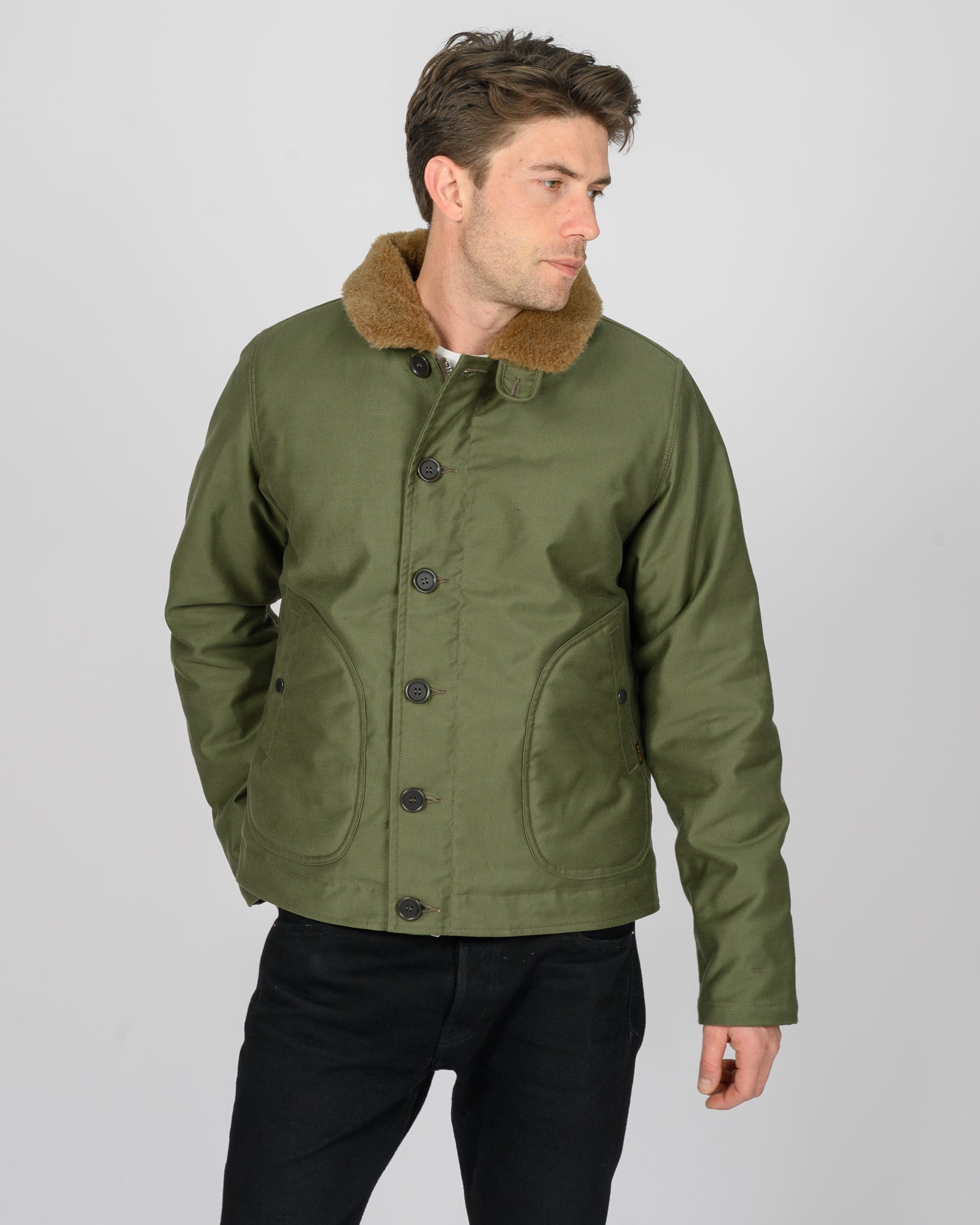
The standard IHM-35 N1 looks substantial, but its 12 oz. whipcord is only part of the story. Wool/alpaca pile, a wind-blocking interlining, quilted sleeves and knitted storm cuffs do much of the work once the temperature drops.
The original N1 was designed for sailors working on cold, exposed decks. Its pile-faced collar and protected zip weren’t decorative details; they kept the wind out. Iron Heart keeps that purpose, but it was never really the reproduction purist’s first choice. The motorcycle logic wins: if a lining, pocket or other practical change makes the jacket better to live with, use it.
I own two standard N1s and wear them every winter. If you’re considering one, pay as much attention to the room for your usual layers as to the weight of the cloth. A well-insulated jacket still needs to let you move.
N1s for Harsh Winter and Milder Weather
The lightweight IHM-53 keeps the N1’s 12 oz. whipcord shell, but replaces the wool/alpaca pile with 6.2 oz. Ventile cotton. The insulated sleeves and hidden storm cuffs disappear, while corduroy at the collar and a lighter two-way zip suit the less insulated build.

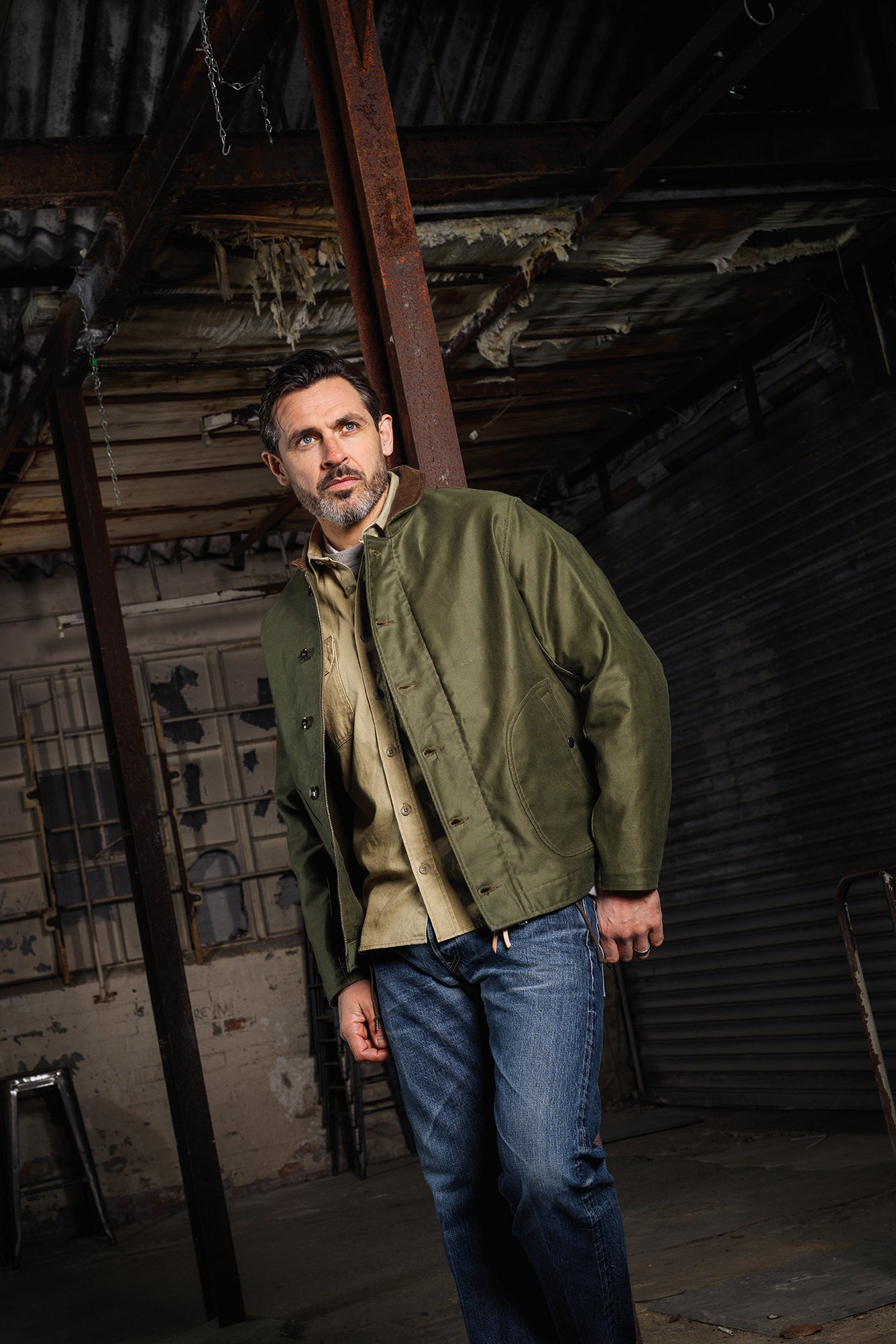
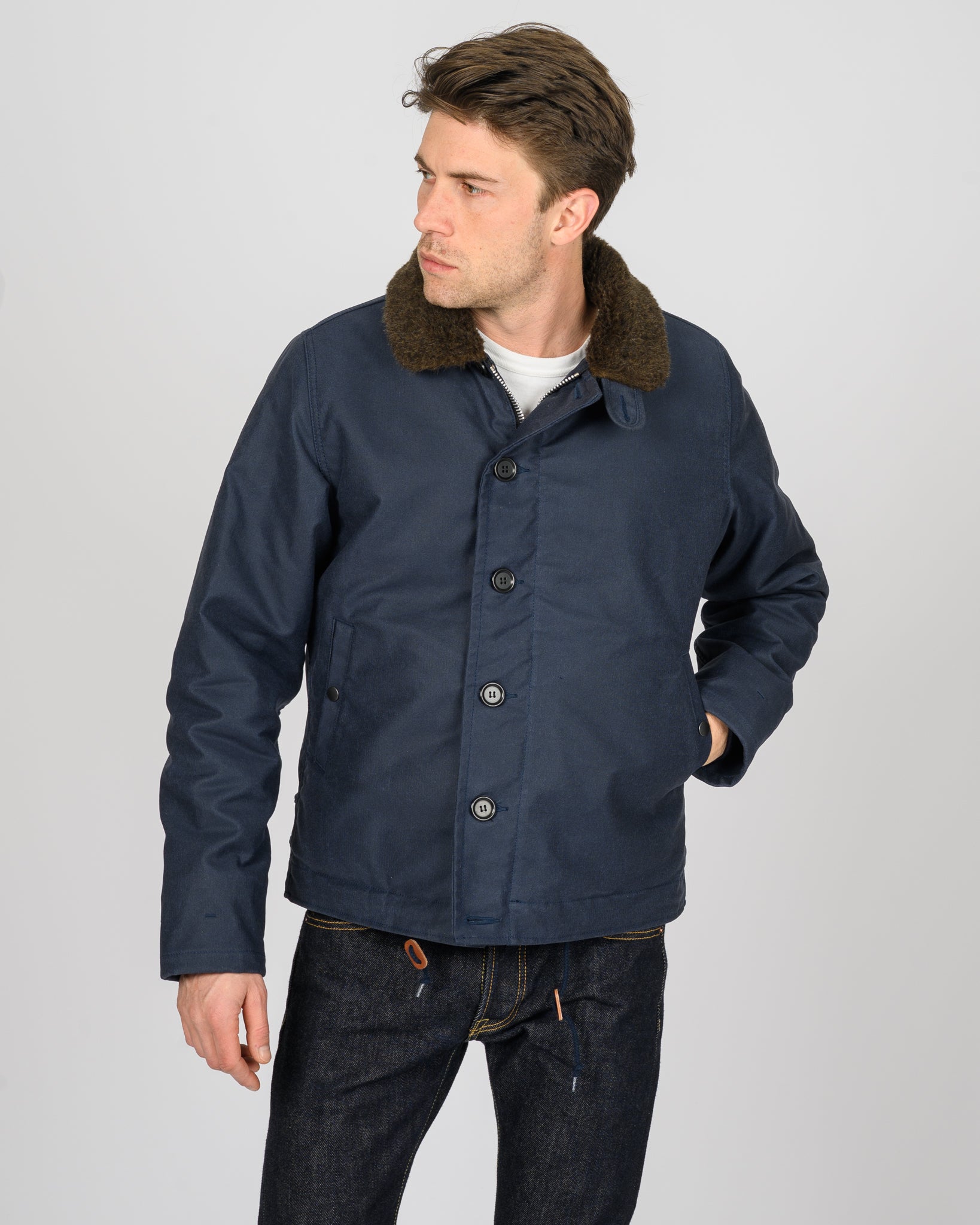
It’s still recognisably an N1, just one you can wear when the standard version would be too much.
The oiled IHM-37 changes the outer cloth instead. A urethane/paraffin treatment adds water resistance and a waxier feel, taking the whipcord to roughly 14 oz. Yet its wool/alpaca insulation remains broadly the same as the standard N1.
The lightweight suits milder weather; the oiled version keeps the winter insulation but offers even more water resistance.
The M-65: Practicality in the Details
When a pile-lined N1 feels like too much jacket, the M-65 offers a different way to stay comfortable. It was designed as a field shell with room for layers. The current IHM-54 uses 10 oz. Japanese back sateen with a Ventile cotton lining rather than the N1’s heavy pile, letting you adjust the insulation with whatever you wear underneath.

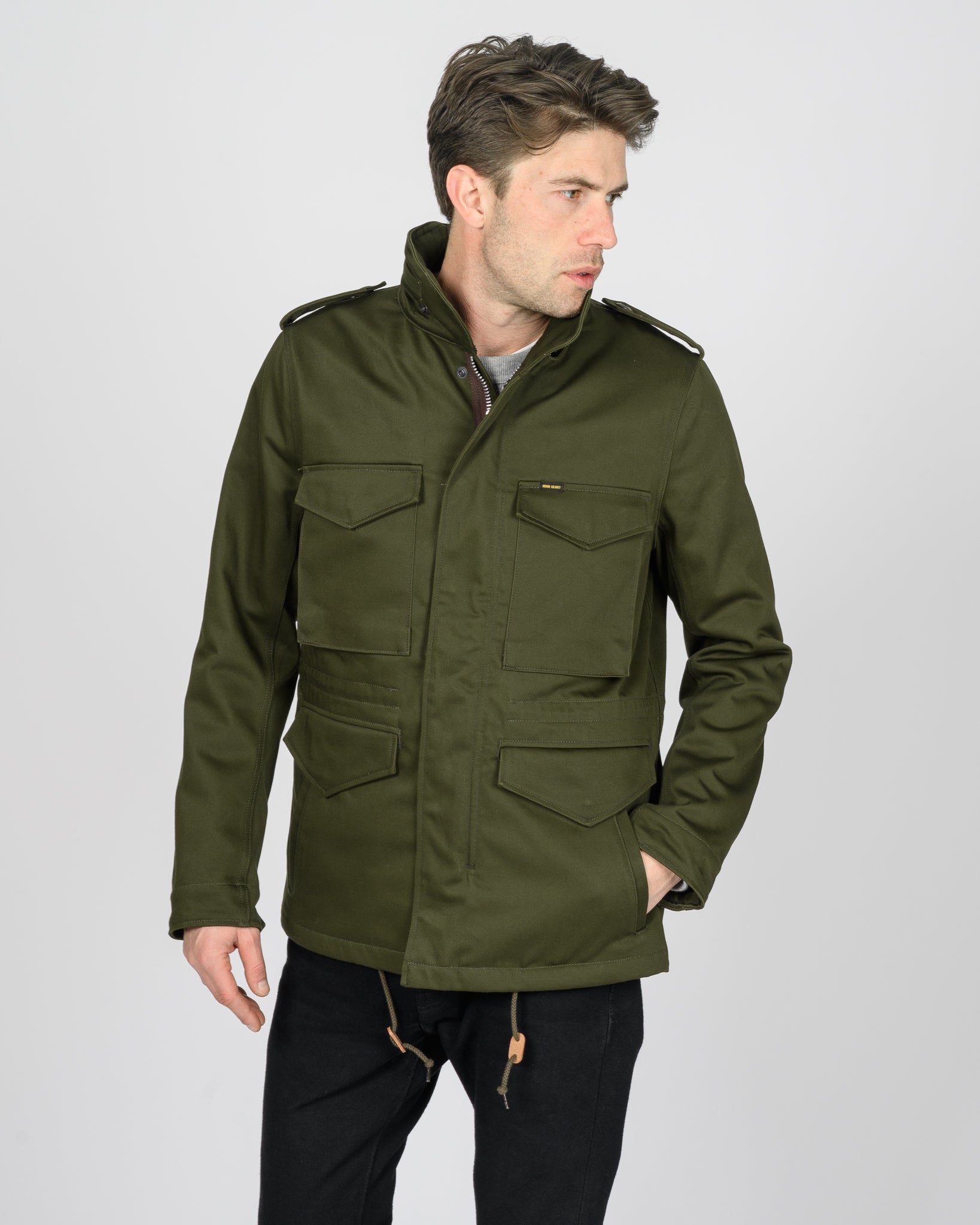
The best addition is hidden in the familiar four-pocket front. The two lower flap pockets conceal separate handwarmer openings. Purists can gawk; I call them useful. You keep the M-65 face, but when it’s cold you don’t have to lift a flap just to warm your hands. It’s one of my favourite details on my own jacket.
The substantial two-way zip is another welcome change, especially when sitting down. The hood tucked into the collar, meanwhile, was already part of the original military design.
The M-43: Knowing When to Leave Things Alone
Then there’s the FW26 IHM-51 M-43, where Iron Heart mostly leaves well enough alone. I’ll be doing a full deep dive on this jacket separately, so I’ll keep this section to the essentials.
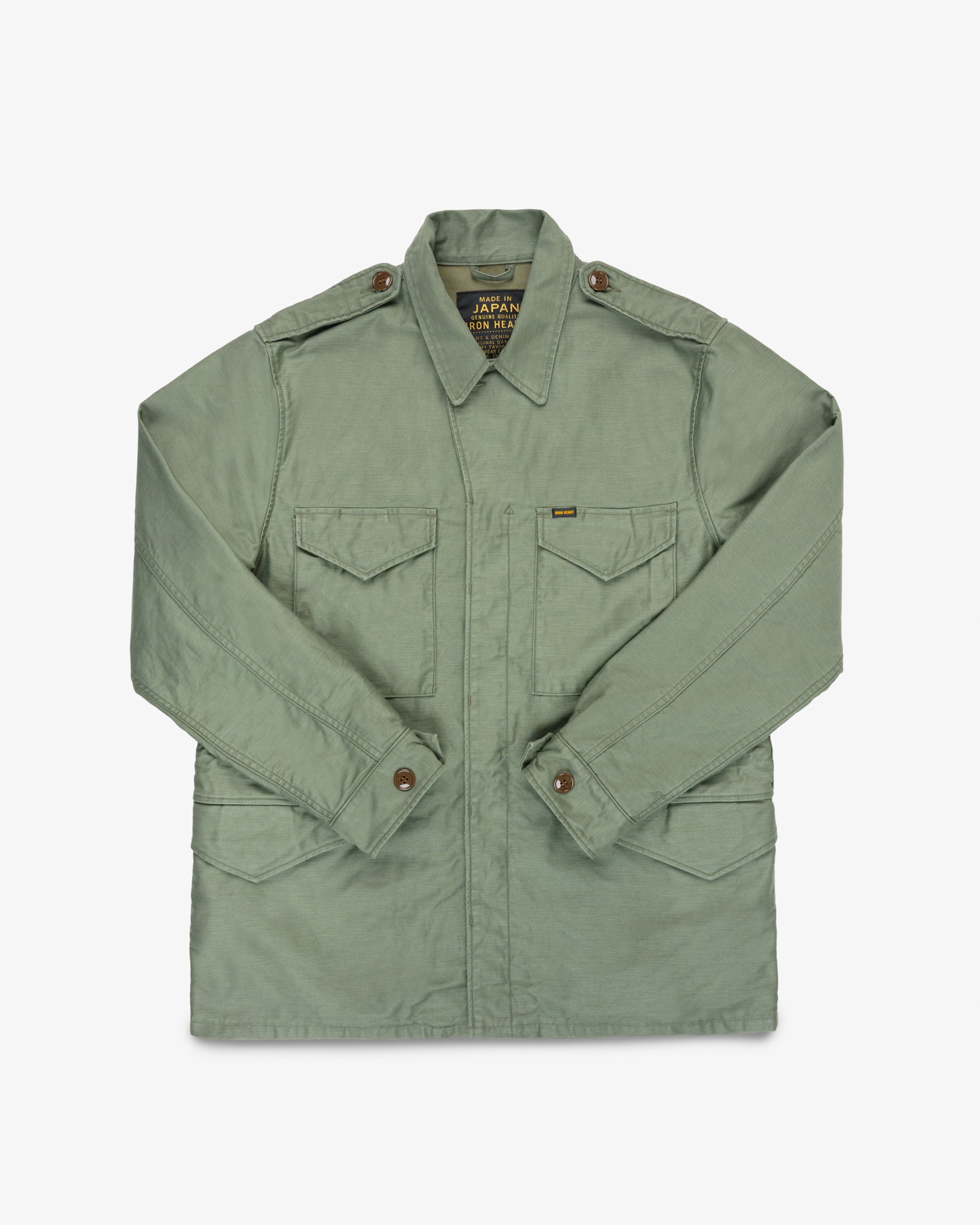

With four patch pockets, a concealed button front, pointed collar and waist drawcord, it stays close to the wartime pattern. A 9.5 oz. Japanese back-sateen shell and water-resistant Ventile lining update the materials without loading the jacket with extra hardware.
On the body it feels closer to an unstructured military overshirt than my M-65. Four pockets, concealed front, hardly any visual noise. Next to the M-65, you can see how little Iron Heart needed to add.
The L-2B: When the Materials Change the Mood
Then there’s the black IHM-55 L-2B. I’d want to wear it even if I knew nothing about the military reference.
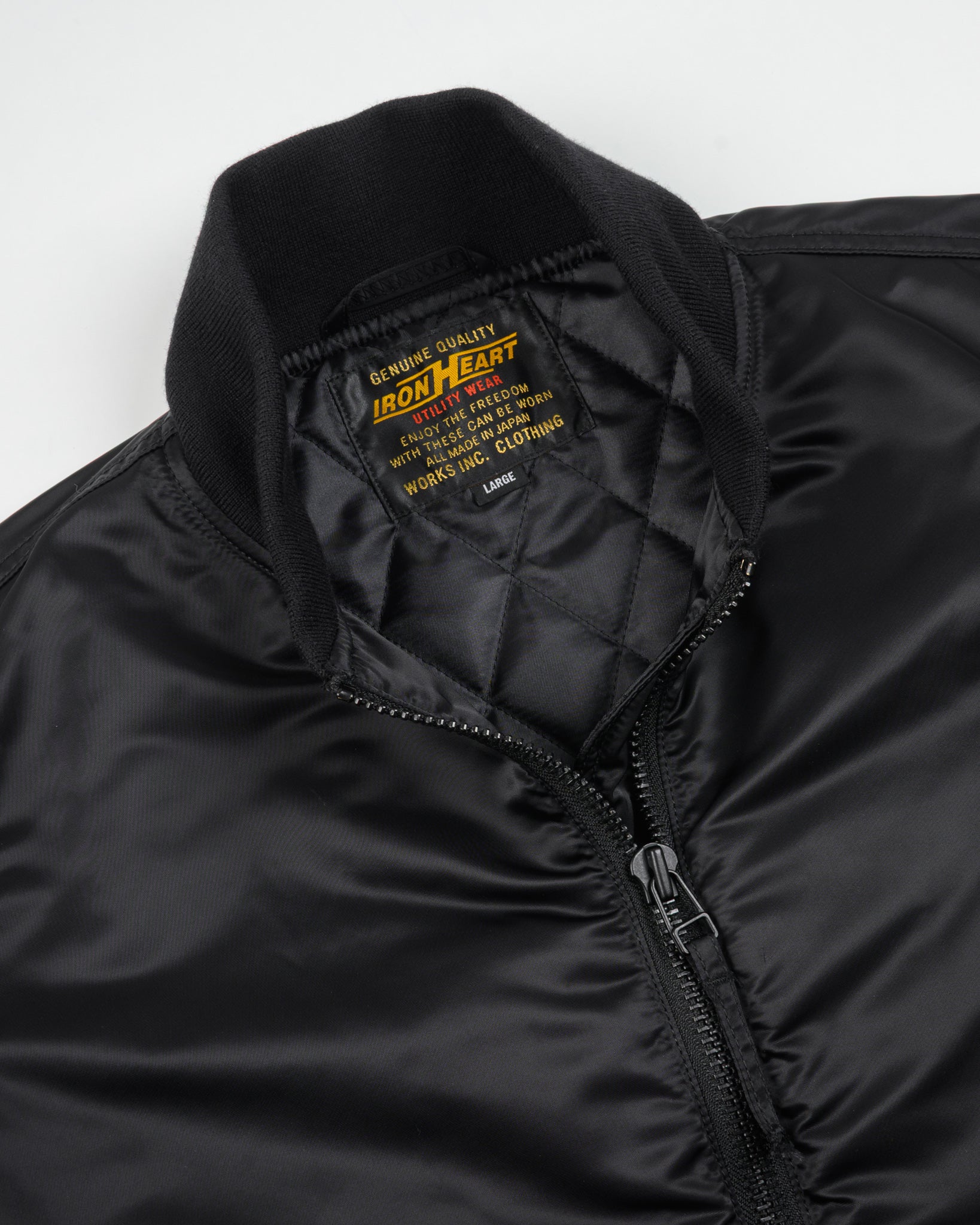
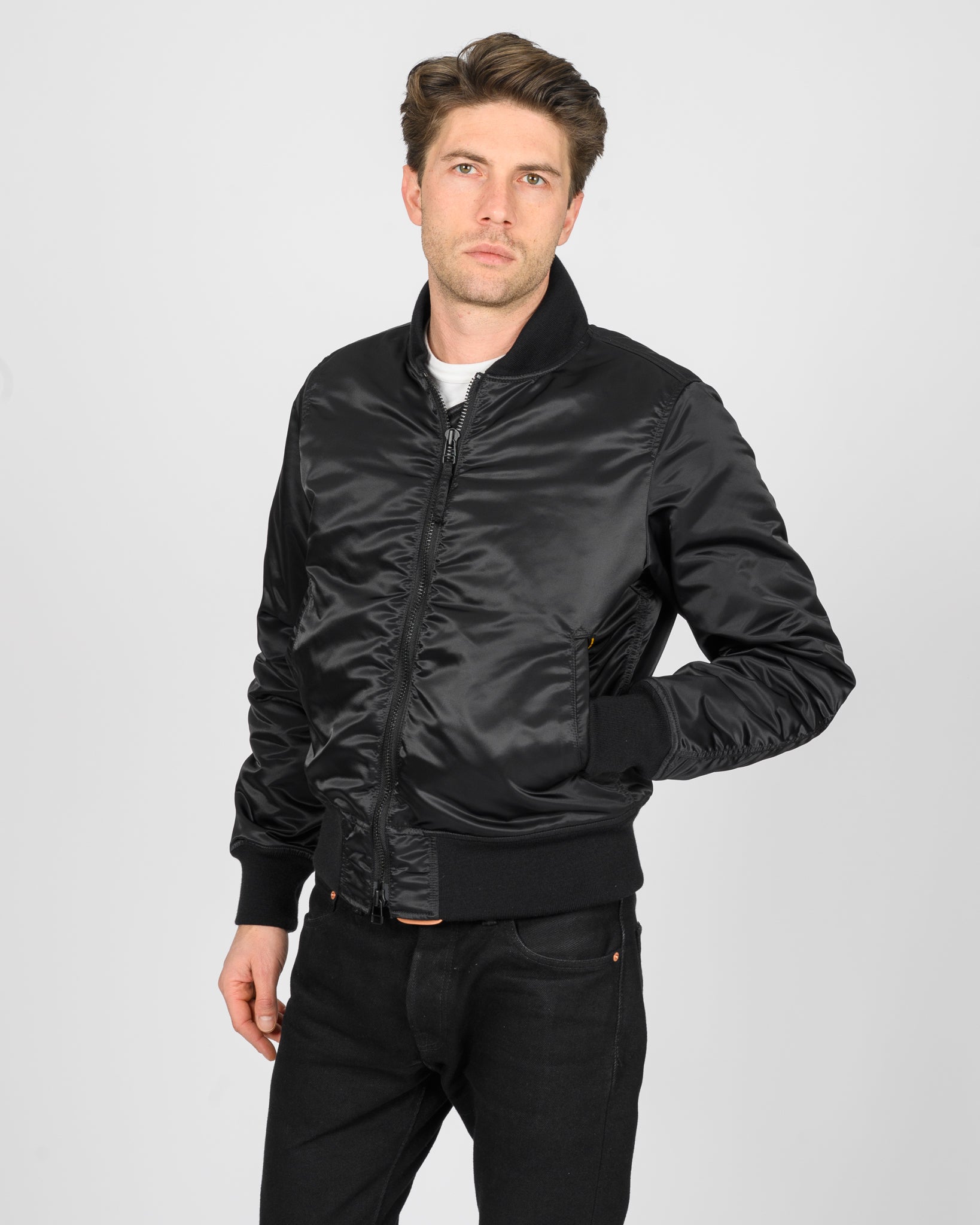
Its short silhouette and knitted edges remain, but the resin-coated 4.4 oz. nylon, lightly padded quilted lining and substantial two-way zip give it a different character from the cotton jackets elsewhere in the range.
I’ve tried it on in large, and the fit is spot on. The nylon doesn’t shine so much as shimmer, the hardware is all black, and the puckering along the sleeve seams gives the surface some life. It takes me straight back to an old Acne bomber I wore about twenty years ago.
I haven’t worn it outdoors, so I’m stopping short of a performance verdict. But with black jeans and a simple shirt? I would absolutely wear it. Sometimes that’s enough of a reason to want a jacket.
From Tanker to N-3B: Same Logic
The IHM-52 Tanker keeps the compact shape and knitted edges that made the wartime combat jacket practical inside armoured vehicles. Its 12 oz. whipcord shell and Ventile lining depart from the original wool-lined construction.
The IHJ-170 quilted field jacket borrows a different idea: the insulating liner once hidden inside a military coat. A proper collar, pockets and snaps turn that lightweight quilted layer into a finished jacket in its own right—not a removable liner for an M-65.
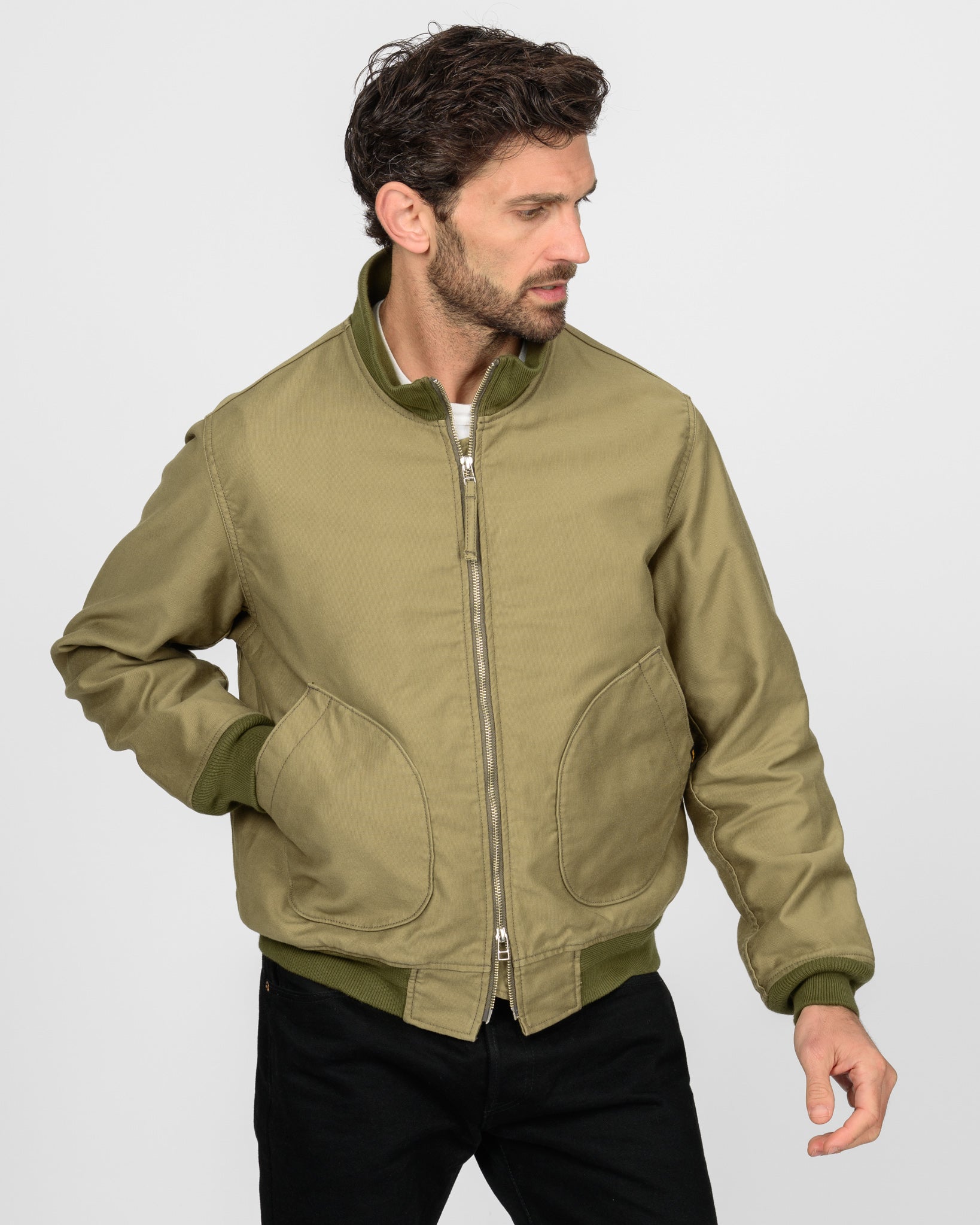
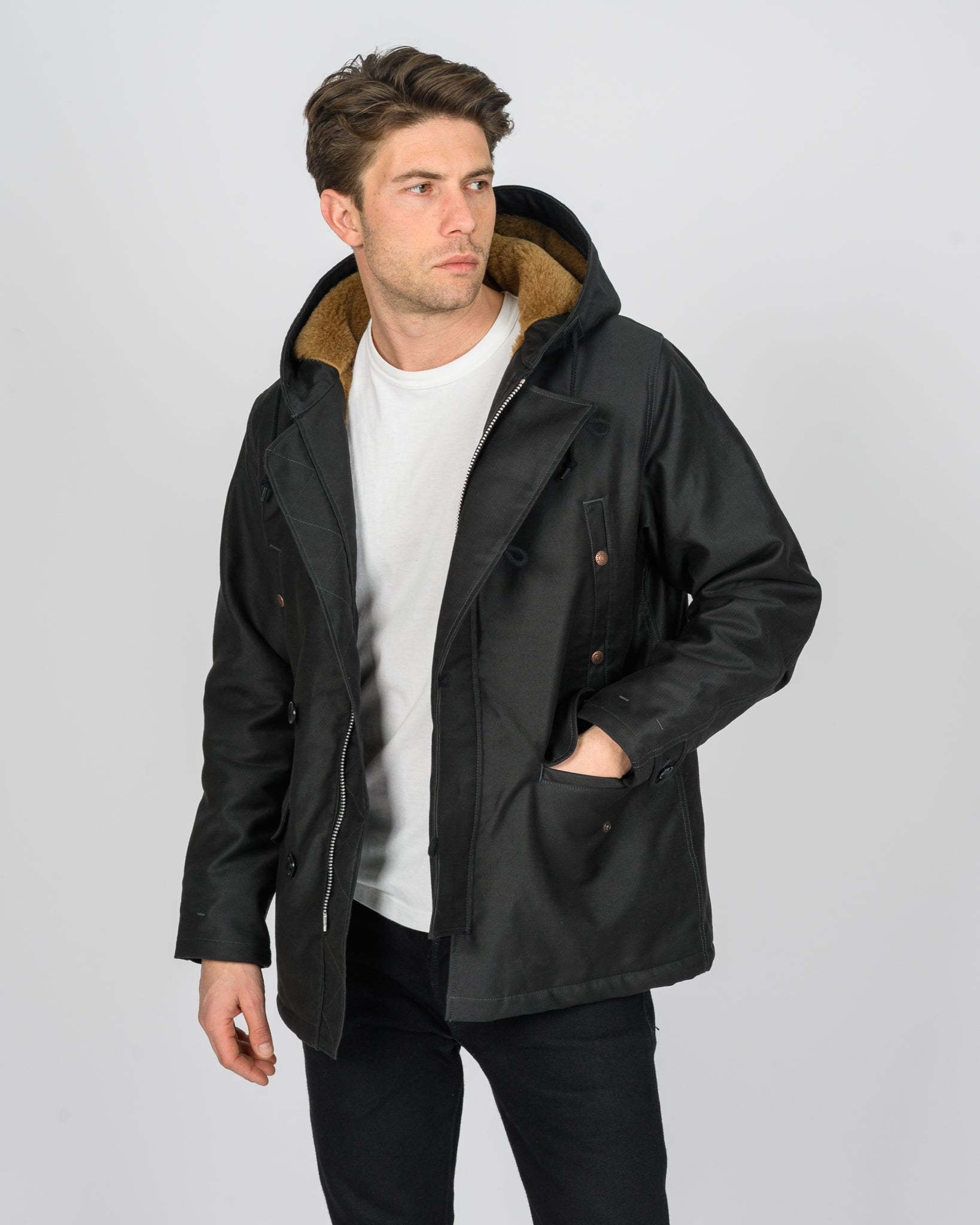
At the opposite extreme, the IHM-56 N-3B combines wool/alpaca pile with a longer body and insulated hood. The material family overlaps with the N1, but the extra coverage is just as important as the lining when the weather really turns.
FW26 Outerwear at a Glance
Whether you’re drawn to the familiar N1, the practical field jacket or something lighter, the differences are easier to judge when the jackets are side by side.
Availability varies by style. Each product page shows the current status and lets you sign up for a notification if a jacket isn’t available yet.
The six picks below cover the range without repeating every variation.
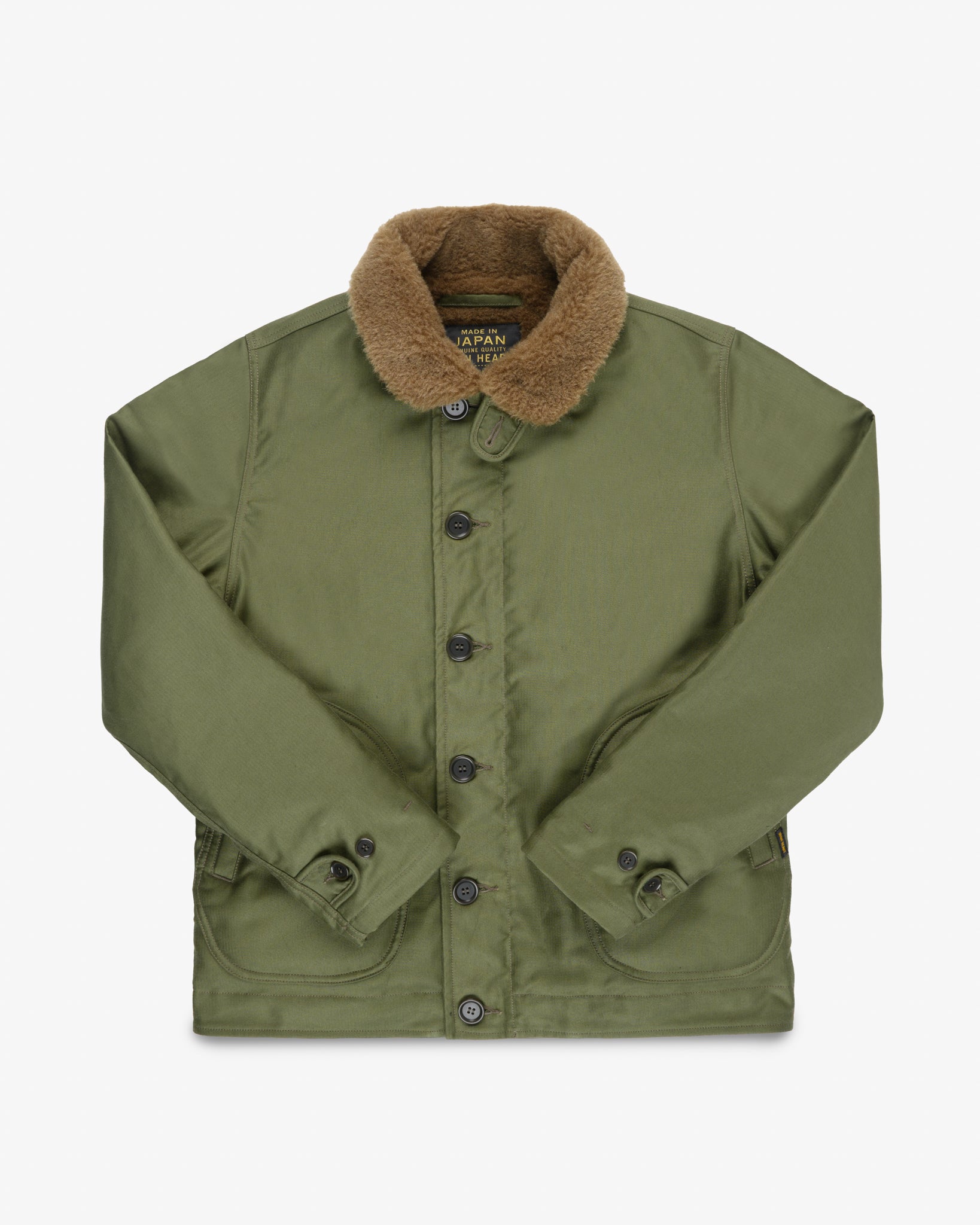
Whipcord N1 Deck Jacket
Wool/alpaca pile, quilted sleeves and storm cuffs make this the cold-weather N1.
VIEW THE STANDARD N1M-43 Field Jacket
Iron Heart’s restrained take on the four-pocket wartime field jacket.
VIEW THE M-43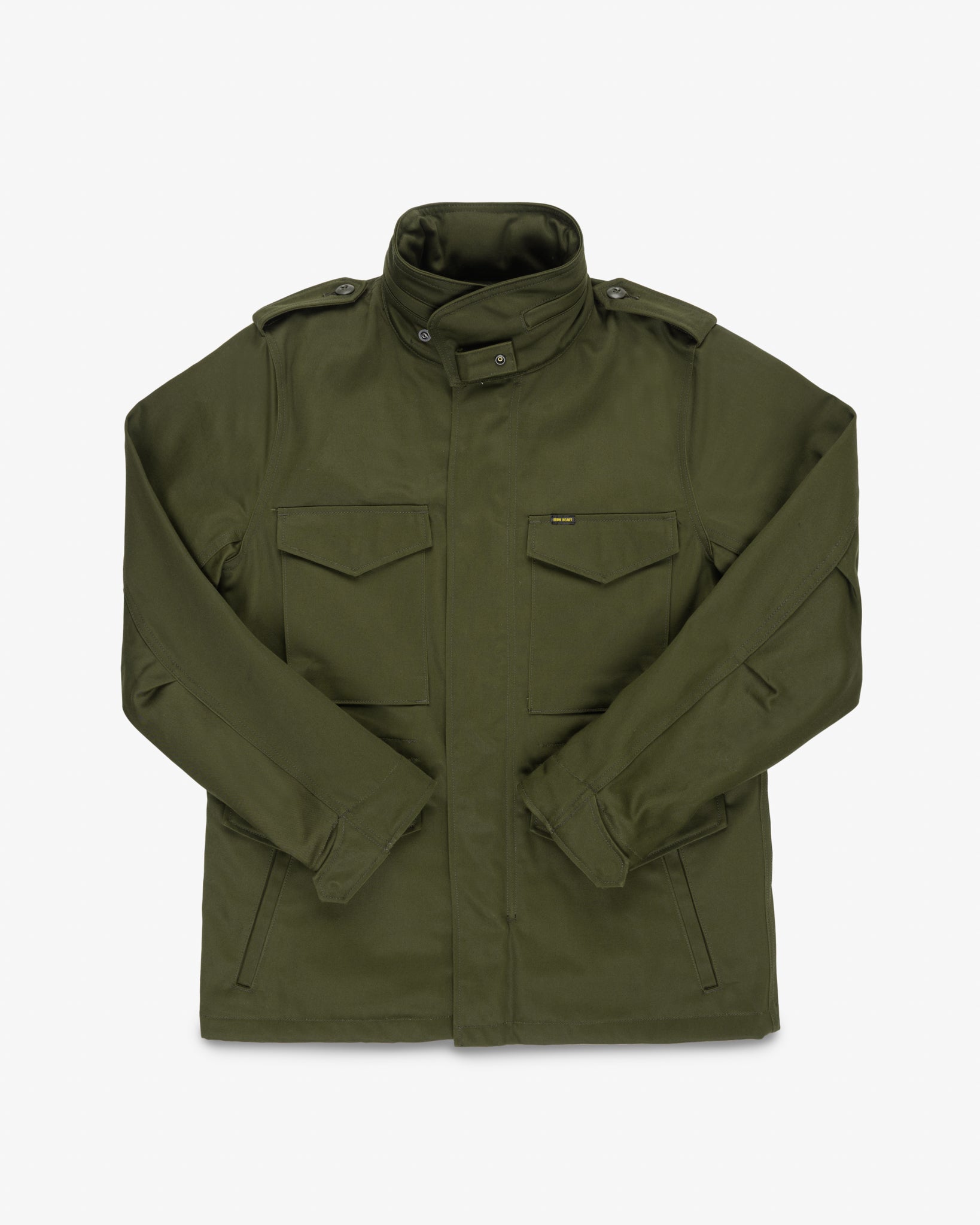
M-65 Field Jacket
A Ventile-lined field jacket with hidden handwarmers and room to layer.
VIEW THE M-65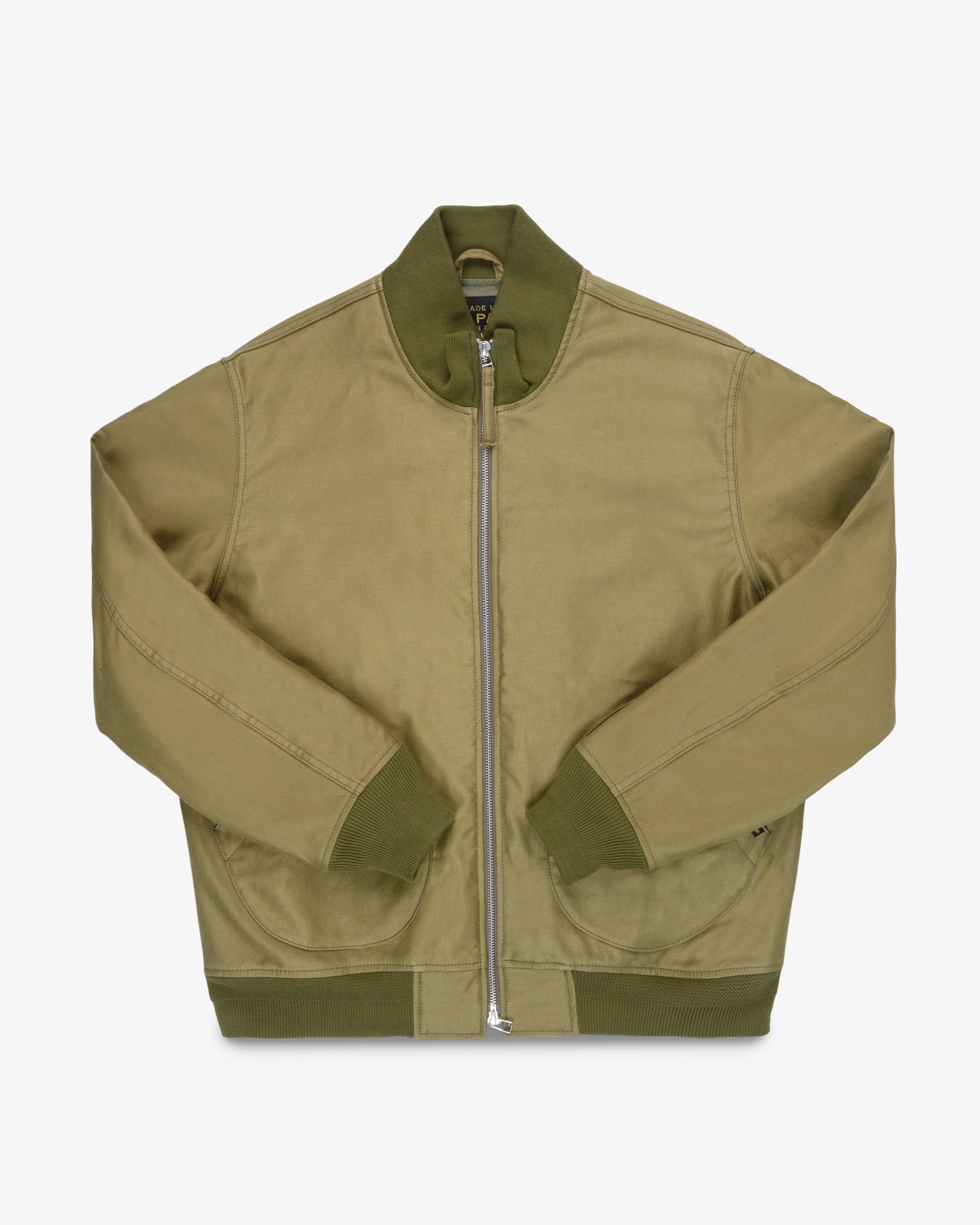
Whipcord Tanker Jacket
Short whipcord jacket with knitted edges and a Ventile lining.
VIEW THE TANKER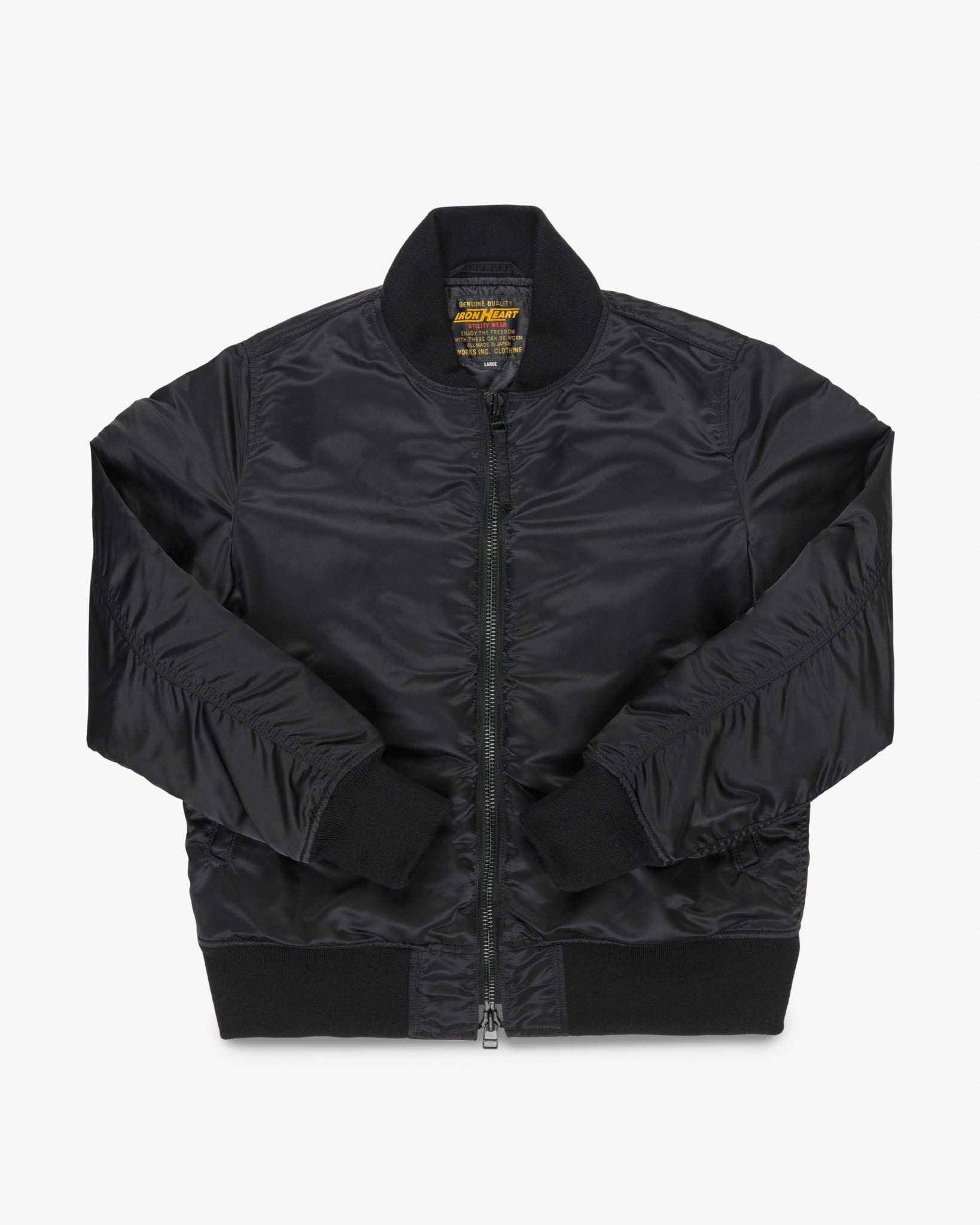
Nylon L-2B Flight Jacket
Resin-coated nylon, quilted lining and tonal black hardware.
VIEW THE L-2B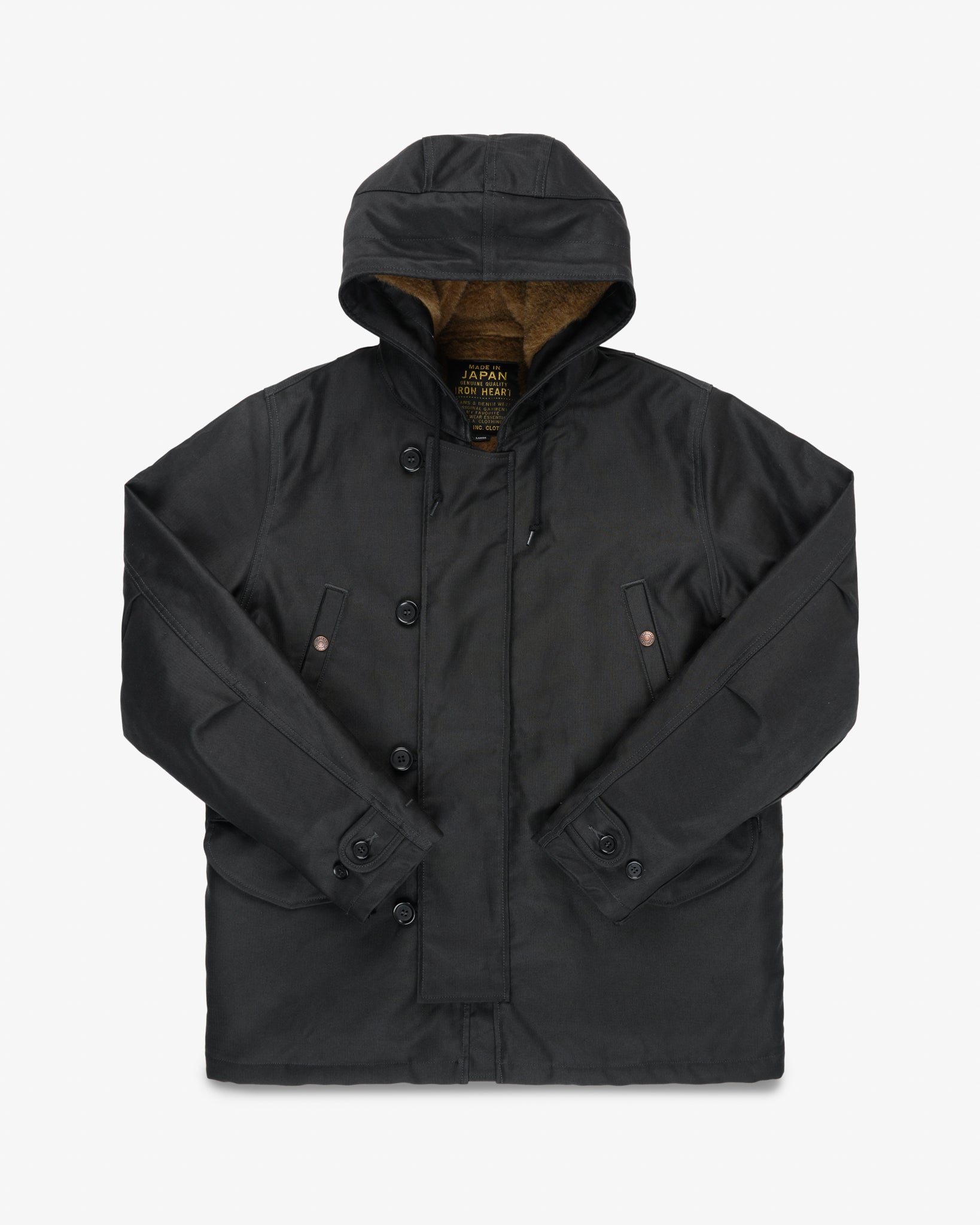
Whipcord N-3B Jacket
A longer winter parka with pile lining and an insulated hood.
VIEW THE N-3BThe Details Make the Difference
The military references are obvious, but none of these feels like something you buy to admire for accuracy and leave on a hanger. Iron Heart changes enough to make them work as clothes for now.
I know why I reach for my N1s and my M-65. Yet it’s the black L-2B I keep thinking about—and I haven’t even worn it outside. That probably tells you more than another paragraph of specs.
Share


