This is a sponsored story, one of our paid services. We maintain full editorial independence. Read more here.
Teacore Denim Explained: Brown-Core Fades
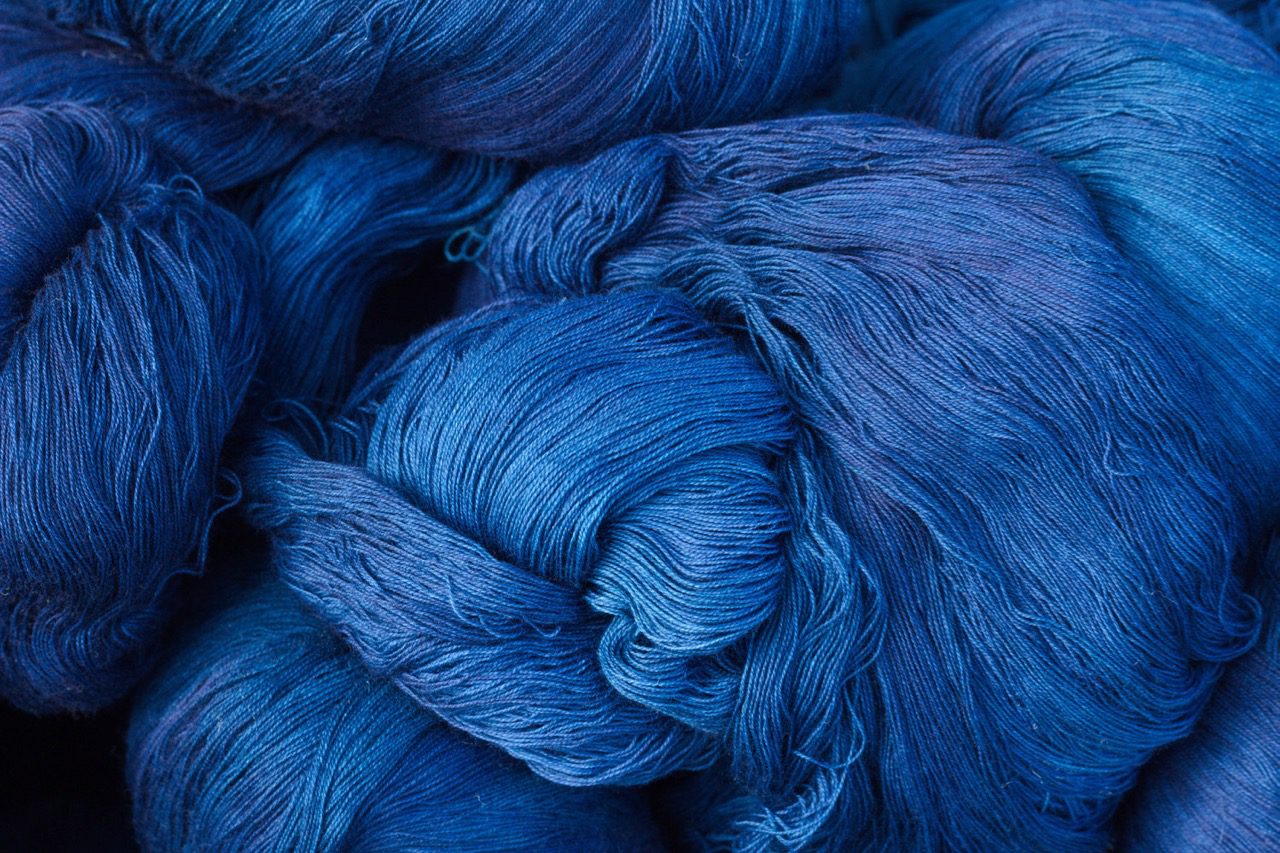
There’s a reason denim fades the way it does, and it starts with how the yarn is dyed.
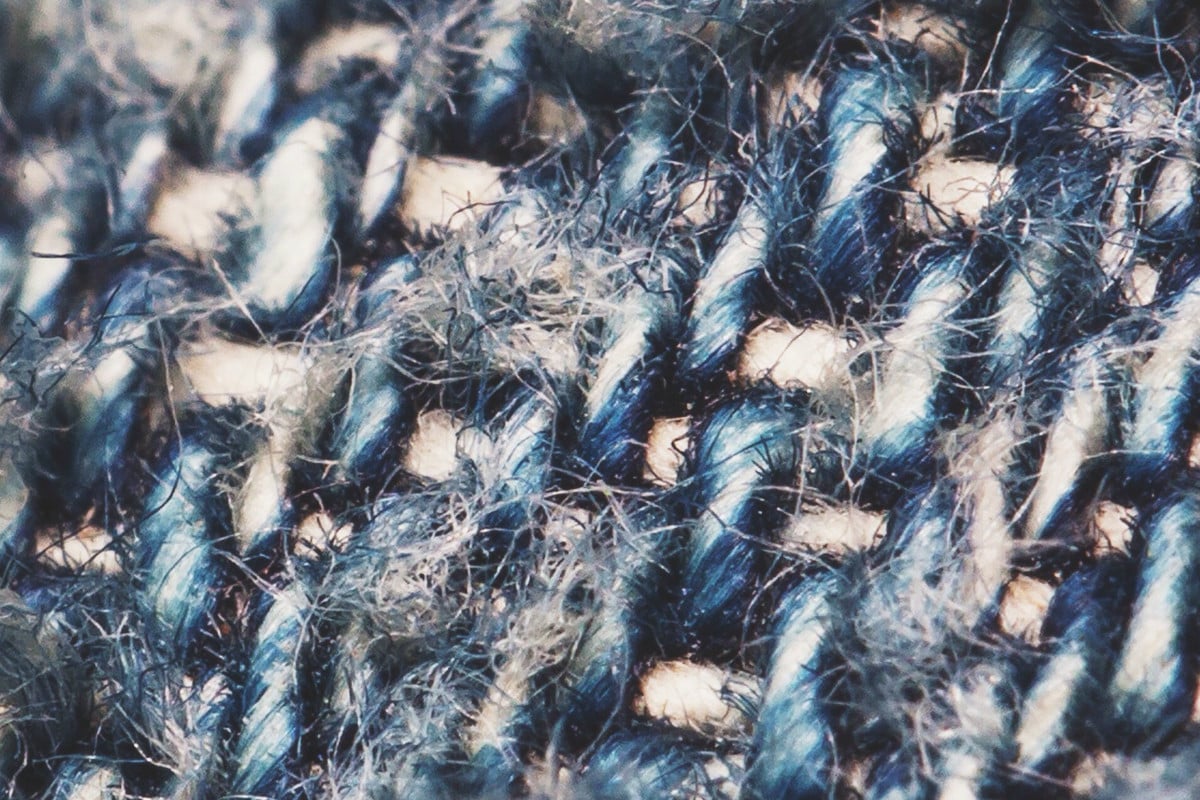
Indigo sits on the outside of the warp yarns. As that colour wears away, the white cotton in the middle comes through. That’s where those familiar highlights come from.
But what if the cotton in the middle isn’t white? That’s the idea behind teacore denim: brown underneath the indigo, which means the jeans can reveal a different colour as they get worn. KATO uses this approach in its teacore collection.
Different Kinds of Indigo Colours
To understand what makes teacore different, it helps to start with redcast and greencast denim. Those terms describe the hue in the indigo, and whether the blue leans towards reddish-purple or green—something that can become more obvious as the denim fades.
Redcast doesn’t have another dye beneath the indigo. Pure indigo gives the denim its reddish or purplish cast, and the dye bath influences the exact shade.
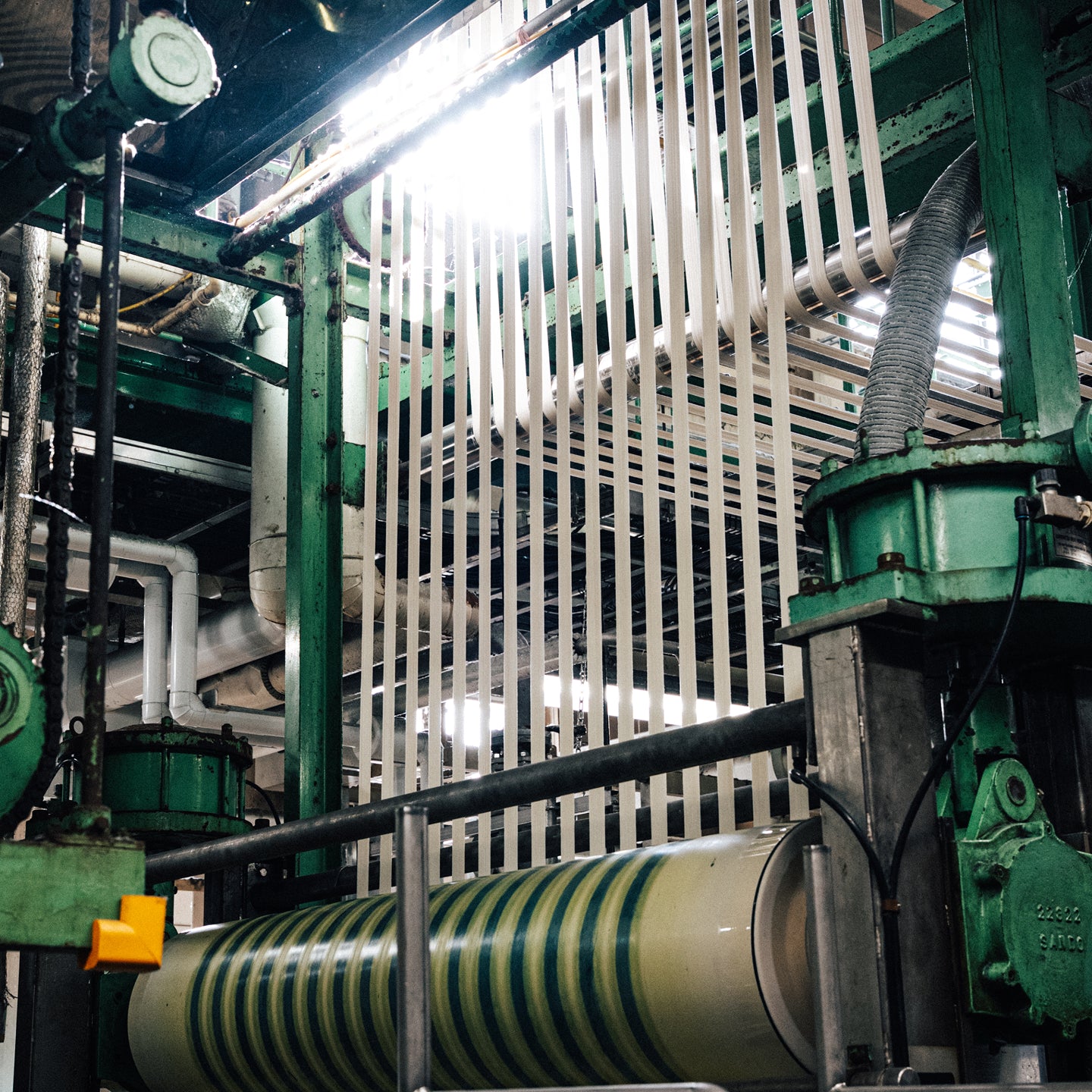
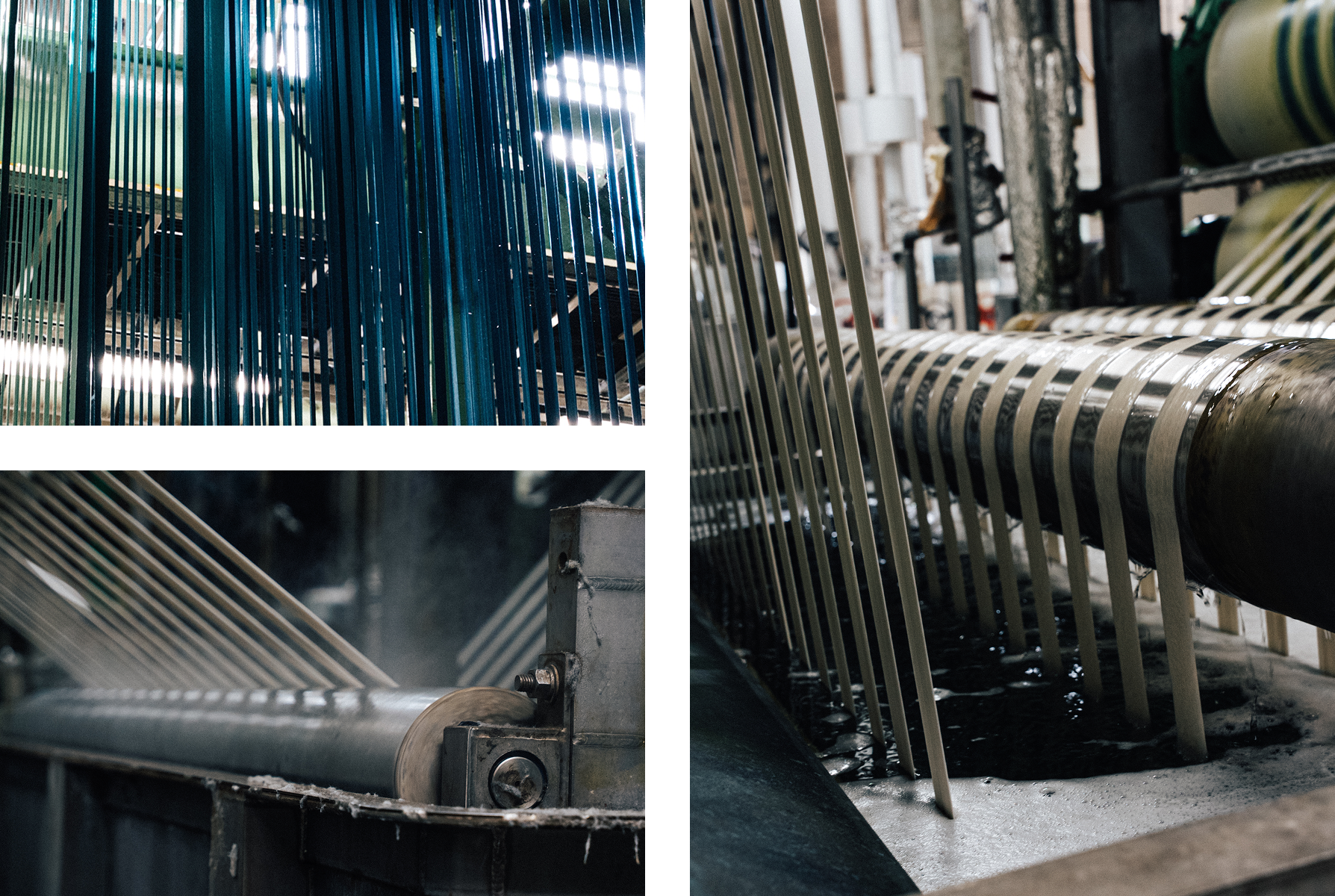
Greencast works differently. The warp yarns are dyed with sulphur before they get their indigo—it’s called sulphur bottoming. That first colour changes the shade of blue and what shows through when the indigo wears off.
That’s the connection to teacore, but the two aren’t quite the same thing.
Is Teacore Just Another Cast?
Cast is about the tone; teacore is about the colour inside the warp yarn.
With conventional ring dyeing, indigo colours the outside of the warp yarn, leaving the white cotton in the middle largely untouched. One way to create teacore denim is to dye the yarn brown before applying the indigo. The indigo still colours the outside, but as it wears away, the brown underneath becomes visible instead of the usual white.

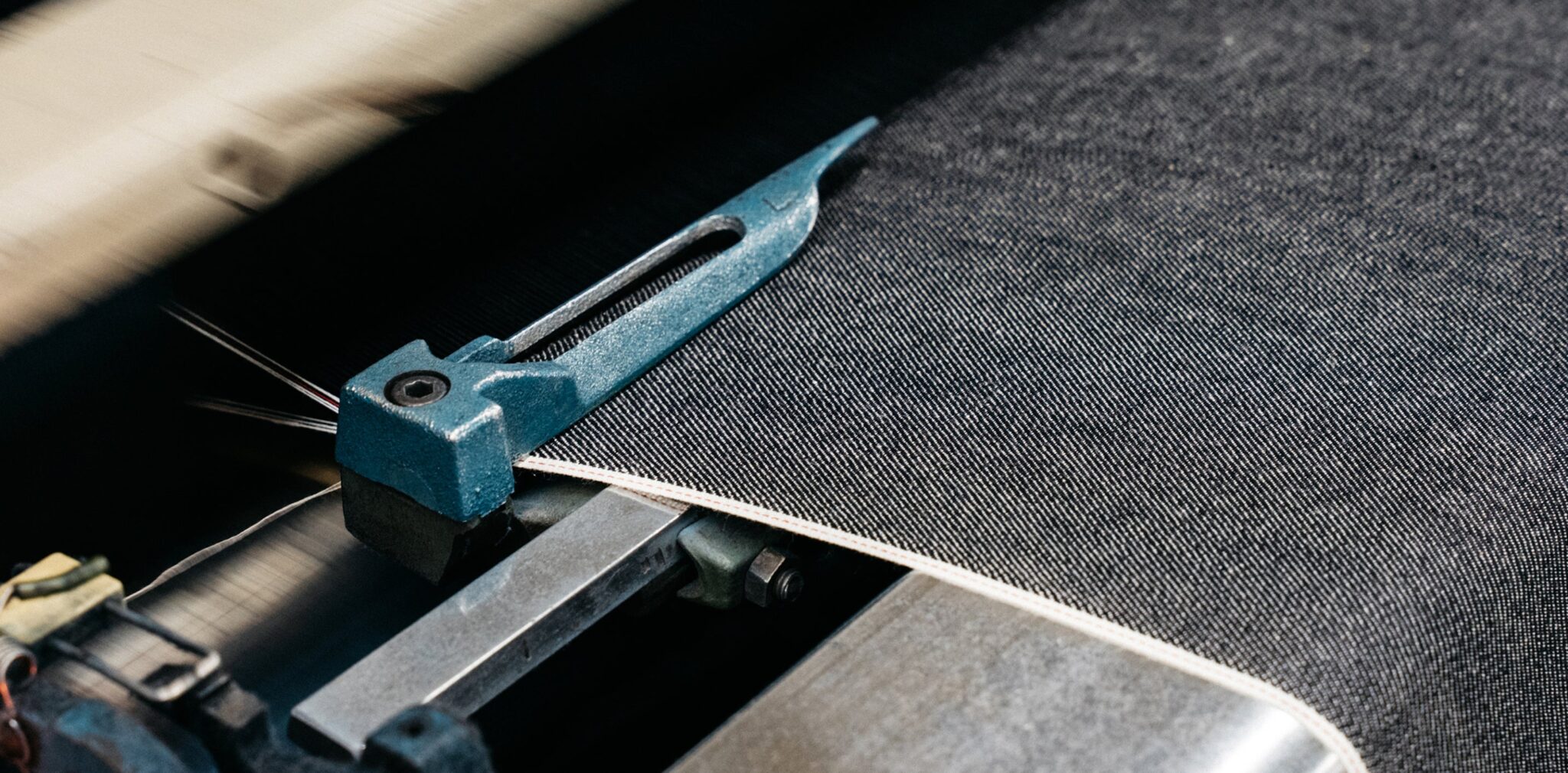
So yes, there’s a link to sulphur bottoming: the colour underneath the indigo influences the fade. But teacore describes the brown core, not one prescribed way of dyeing the yarn. The name actually comes from teacore leather, where wear exposes brown beneath a dark surface—though leather gets there through a different finishing process.
KATO’s Brown-Core Selvedge
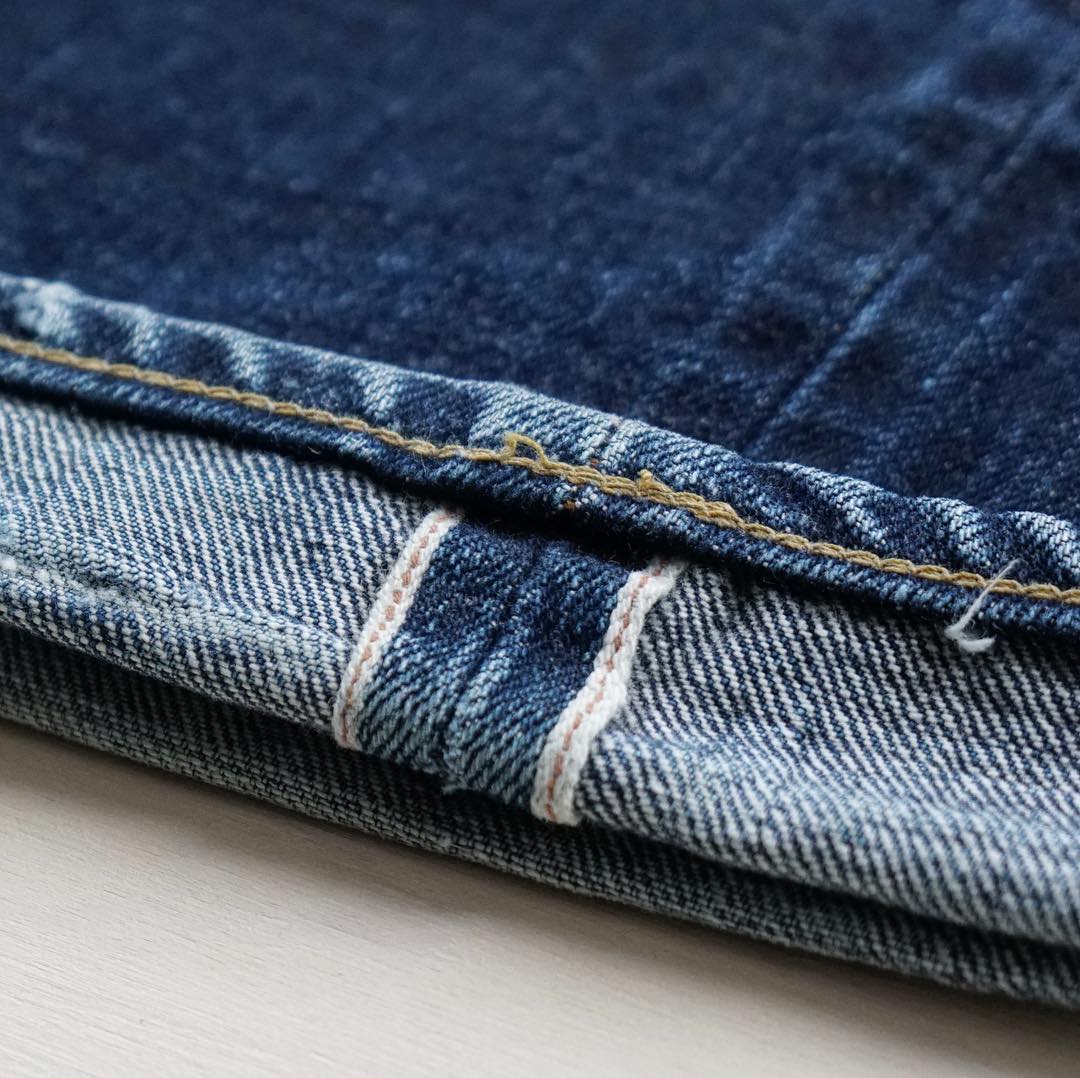
Here’s how KATO puts it into practice. The brand starts with brown cotton yarn, rope-dyes it with indigo, and weaves it with white weft yarns into 14.5 oz. Japanese slub selvedge. What changes isn’t the initial blue so much as the colour underneath it.
If you know KATO for its 4-way stretch selvedge, this one’s different. The teacore fabric is 100% cotton. It comes in the medium-rise Hammer Straight, with a slight taper, and the higher-rise Pail Loose Straight. Both are available raw, with washed alternatives elsewhere in the collection.
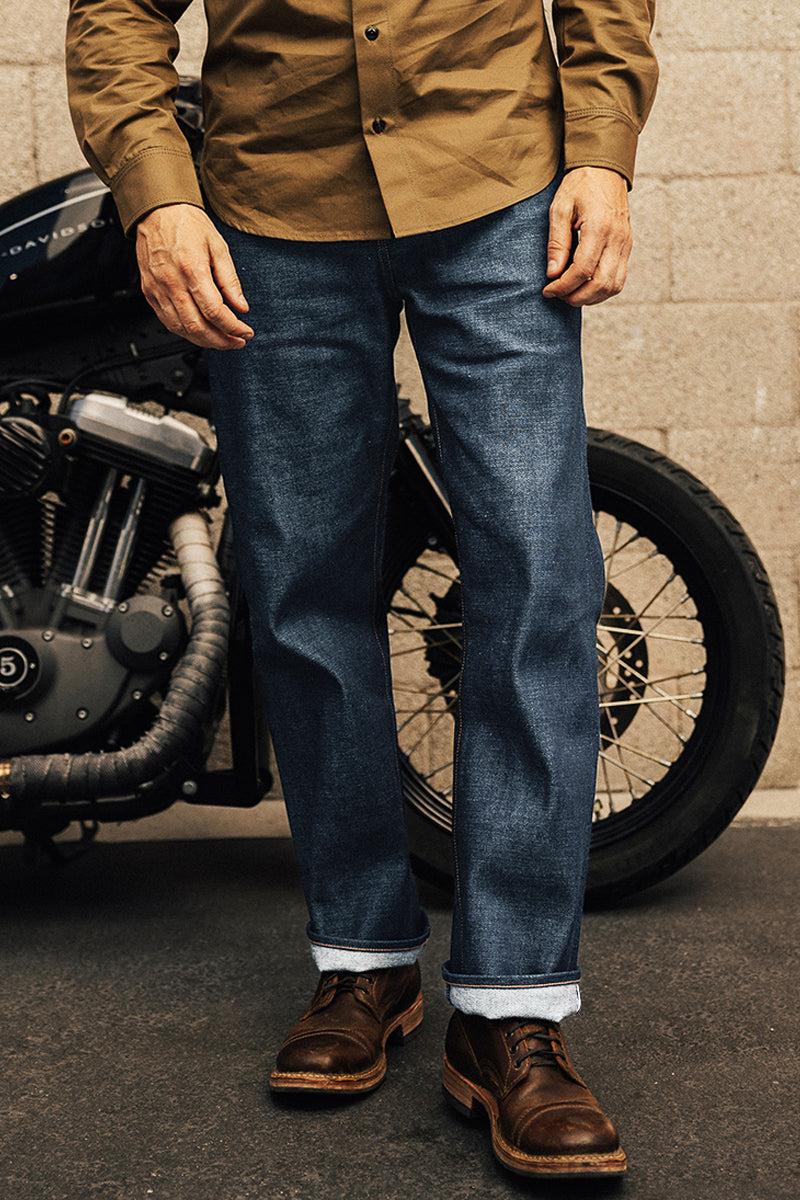

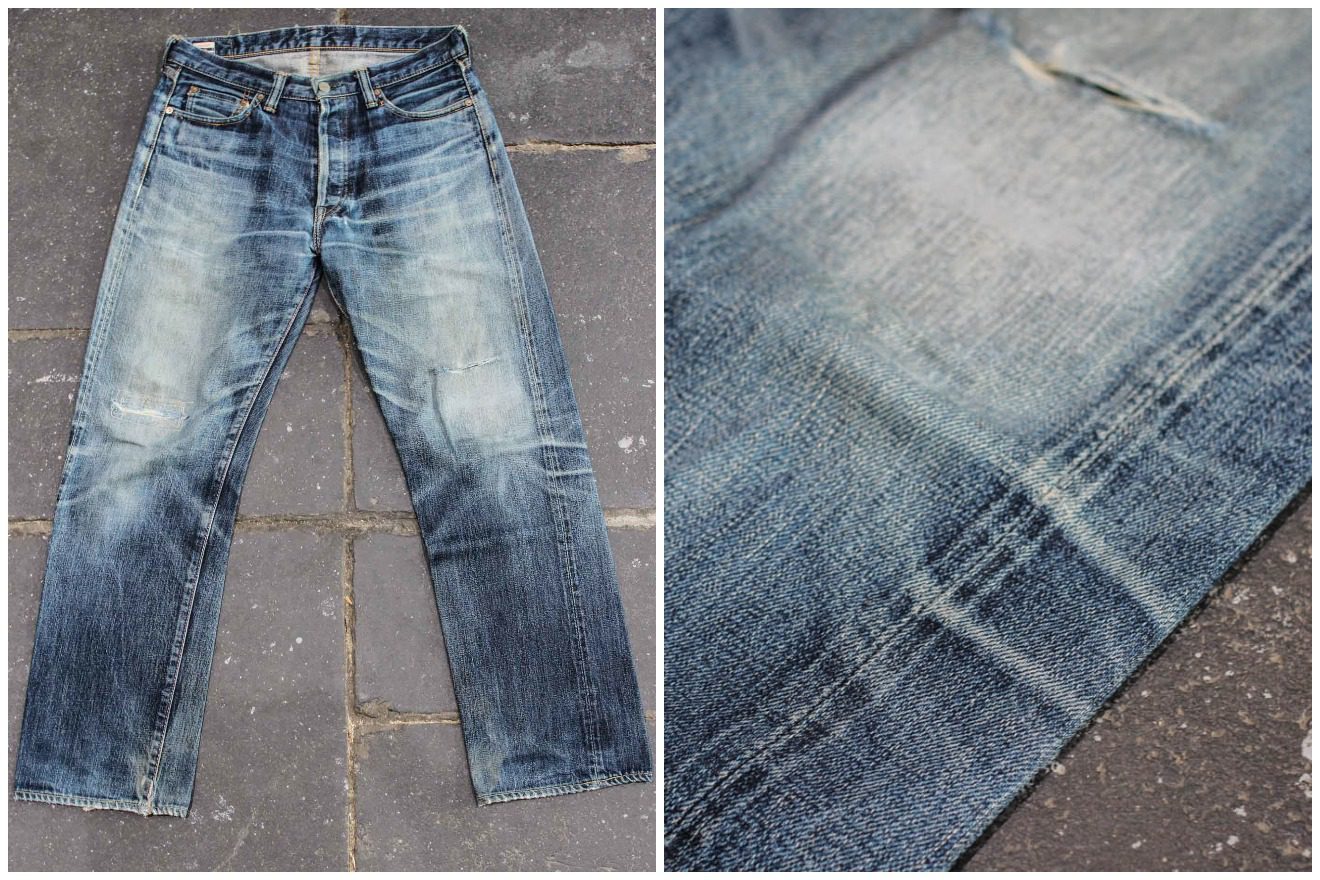
The washed versions give you a preview of what the fabric looks like after some indigo has come off. Start with a raw pair, and the colour develops around your own wear patterns instead.
What Do Teacore Fades Actually Look Like?
Don’t picture a brown pair of jeans hiding under the blue. The weft stays white, so the fades can still have plenty of the familiar blue and pale contrast. What changes is that the exposed warp yarns can bring a warmer, brownish tone into the picture.
How much of that brown you actually see depends on the dyeing, how you wear the jeans and how you wash them. Teacore doesn’t automatically fade faster, and it won’t give you a particular vintage look on its own. It’s simply another thing that shapes how the fabric ages.
For me, that’s what makes KATO’s teacore collection worth looking at: it still looks like indigo denim, but there’s a different colour waiting underneath.
Share